For three years the sector has been stuck on the wrong question. “AI in marking: yes or no?” was always a false binary, and the fatigue you feel is the sound of that binary going nowhere.
The real question, the one regulators from London to Canberra are now asking, is: which kind of AI, for which task, under whose control?
Marking is a judgement-replication task. Classification AI replicates judgement; generative AI improvises it. Finance and medicine settled the analogous question decades ago, with human-in-the-loop classification, evidence before autonomy, and uncertainty routed to experts.
Education can walk the same road, and classification AI offers that path forward. By focusing on pattern recognition rather than content generation, it mirrors the proven, human-in-the-loop systems that medicine, finance, and global logistics have relied on for decades. It doesn’t replace the educator, it amplifies their judgment, maintains strict determinism, and ensures that every decision remains transparent, auditable, and firmly under institutional control.
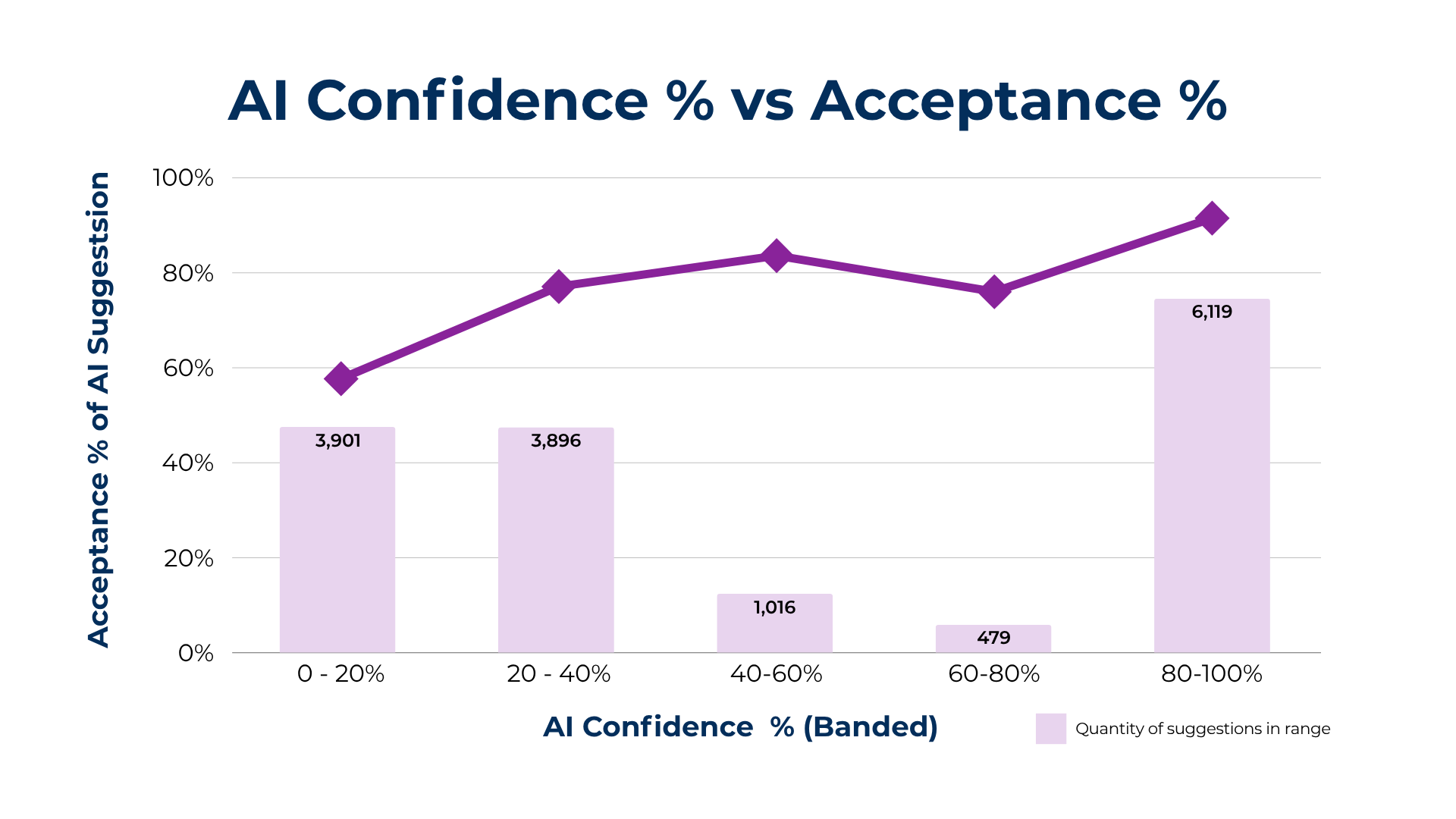
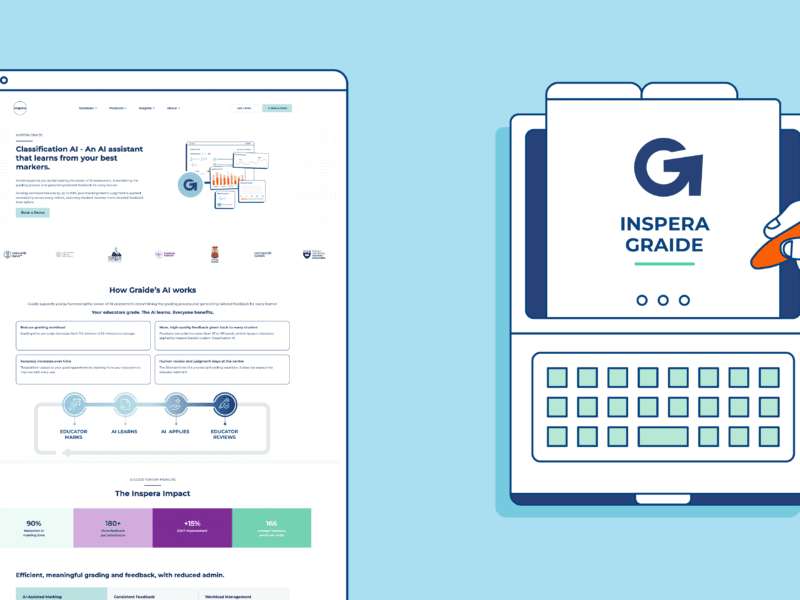
Every design decision in Inspera Graide follows from one rule: the educator’s judgement is core, and the technology’s only job is to carry it further. A suggestion is never a verdict, and an unsure model says so out loud.
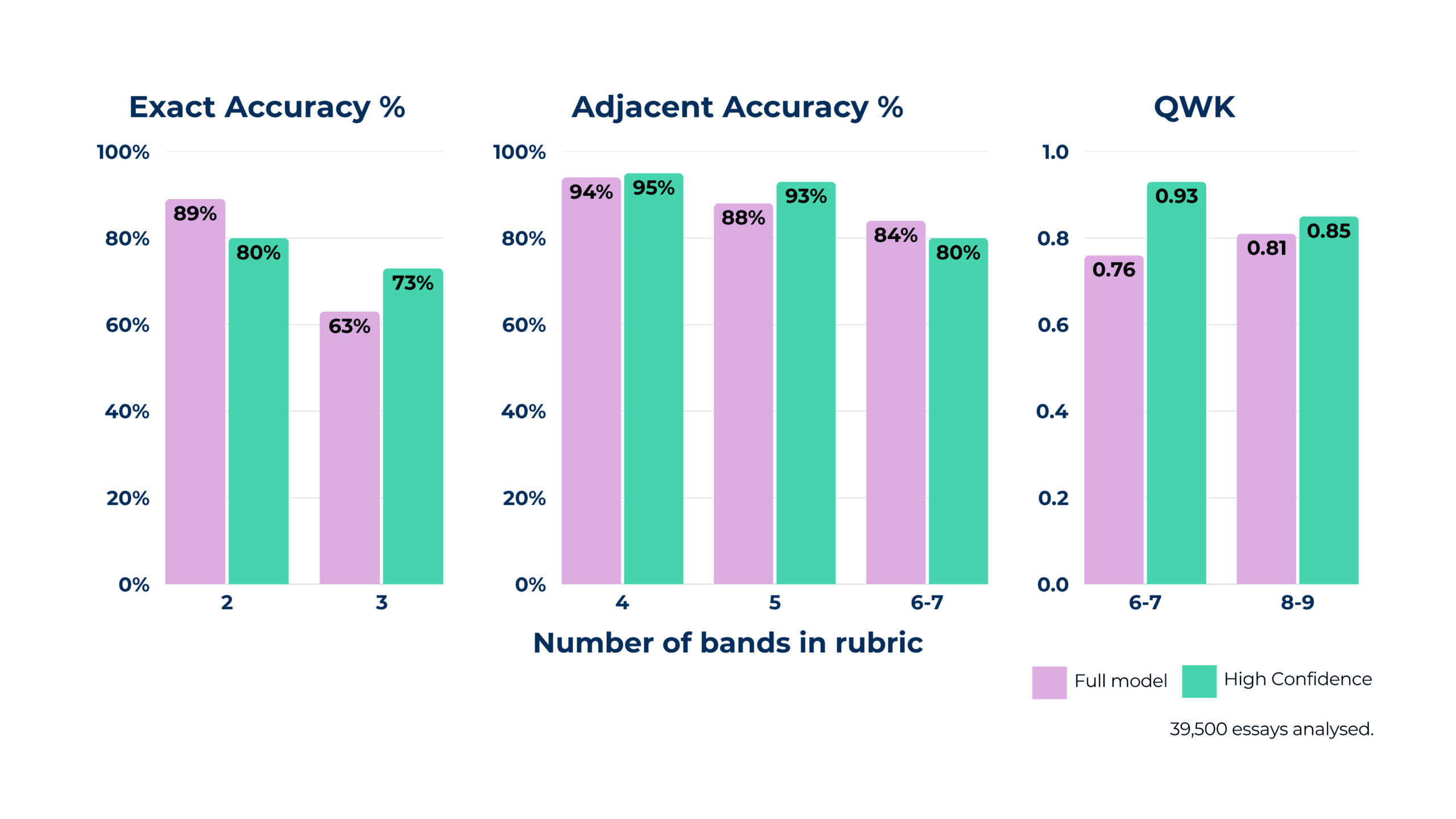
The benefits of Classification AI are not just theoretical. Graide’s Classification AI has supported marking across six Institutions, expanding on feedback 200,000 Responses, all while being accountable and repeatable.